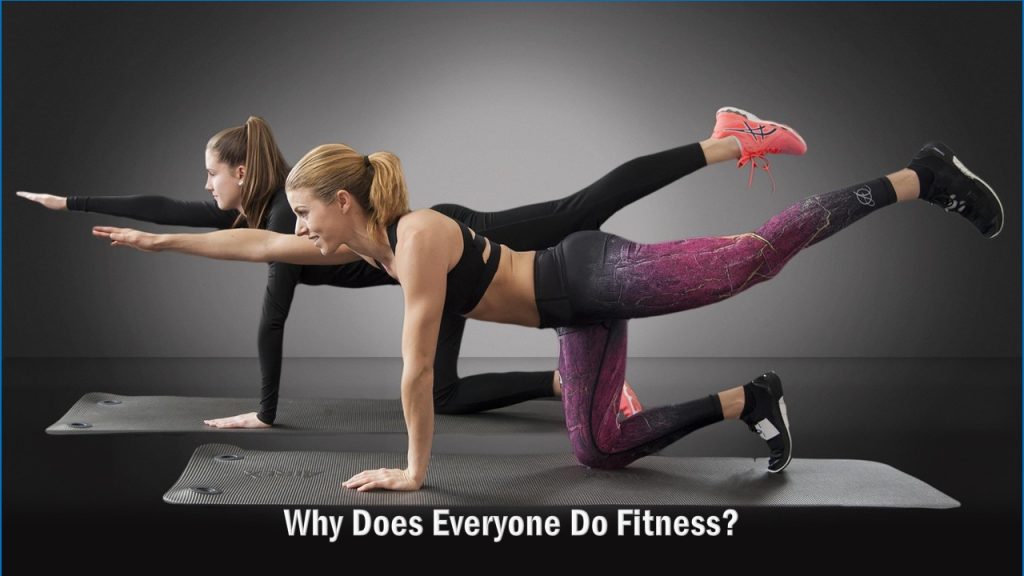
In today’s world, fitness has become a global movement rather than just a lifestyle choice. Across every culture, age group, and profession, people are making fitness a core part of their lives. But what exactly is fitness, and why is it now such a dominant trend in modern society? Let’s dive deep into the meaning, benefits, and reasons behind the popularity of fitness today.
Understanding The True Meaning Of Fitness
At its core, fitness refers to the state of being physically healthy, strong, and capable of performing daily activities without excessive fatigue. It is not just about building muscle or losing weight; it encompasses a balanced state of physical, mental, and emotional well-being.
Fitness can be divided into several key components:
- Cardiovascular endurance – The ability of the heart and lungs to work efficiently during sustained physical activity.
- Muscular strength – The power of muscles to exert force.
- Muscular endurance – The capacity of muscles to perform repeated movements over time.
- Flexibility – The ability of joints and muscles to move through their full range of motion.
- Body composition – The ratio of fat, muscle, bone, and water in the body.
When all these elements are balanced, an individual achieves overall fitness that enhances quality of life.
Why Fitness Has Become A Global Trend
-
Growing Awareness of Health Issues
Modern lifestyles often involve sedentary habits, processed food, and high stress levels, which have led to alarming increases in obesity, diabetes, heart disease, and mental health disorders. As awareness grows, fitness has become a proactive approach to preventing chronic illnesses and living longer, healthier lives.
-
The Influence of Social Media and Celebrities
Platforms like Instagram, TikTok, and YouTube showcase fitness influencers, personal trainers, and celebrities who share their routines and progress. This visual inspiration motivates millions worldwide to adopt exercise as part of their daily lives. Fitness has become not only about health but also about aesthetic appeal and social identity.
-
Accessibility of Fitness Programs
Unlike in the past, fitness today is highly accessible. With gyms, fitness studios, online programs, mobile apps, and virtual trainers, anyone can start their fitness journey from home or outside at minimal cost. This accessibility has made fitness a universal movement.
-
The Connection Between Fitness and Mental Health
Research consistently shows that exercise reduces anxiety, depression, and stress while boosting mood and confidence. In a world where mental health concerns are rising, fitness has become an effective therapy for emotional balance.
-
Lifestyle and Longevity Goals
People are no longer satisfied with just living longer; they want to live better. Fitness allows individuals to maintain independence, vitality, and energy well into old age, making it a core pillar of modern longevity goals.
Different Types Of Fitness People Practice Today
Strength Training
Focused on building muscle and improving bone density, strength training includes activities such as weightlifting, resistance band exercises, and bodyweight training. It improves metabolism, posture, and physical performance.
Cardiovascular Training
Also known as “cardio,” this includes running, cycling, swimming, and aerobics, all of which strengthen the heart and lungs. Cardio is essential for fat loss and endurance building.
Flexibility and Mobility Workouts
Yoga, Pilates, and stretching exercises are increasingly popular as people recognize the importance of joint health, posture, and injury prevention.
Functional Fitness
This involves exercises that mimic everyday movements, such as squats, lunges, and kettlebell swings. It enhances balance, coordination, and overall mobility, making daily tasks easier.
Mind-Body Fitness Practices
Programs like yoga, Tai Chi, and meditation-based workouts integrate physical activity with mindfulness, reducing stress and improving overall wellness.
The Benefits Of Fitness In Daily Life
- Enhanced physical health – Reduced risk of chronic diseases like diabetes, heart disease, and obesity.
- Increased energy levels – Regular exercise improves oxygen flow and stamina, helping us feel more active throughout the day.
- Better sleep quality – Fitness promotes deeper and more restful sleep cycles.
- Improved brain function – Exercise stimulates memory, learning, and concentration by boosting blood flow to the brain.
- Boosted confidence and self-esteem – Achieving fitness goals translates to improved self-image and motivation.
- Stronger immunity – Consistent exercise strengthens the immune system, making the body more resilient to infections.
Why Everyone Is Doing Fitness Now
The popularity of fitness in today’s culture is not just a passing trend. Several driving forces explain why so many people are embracing it:
- Shift in cultural values – Fitness has become a symbol of discipline, success, and self-care.
- Workplace initiatives – Many companies encourage employee wellness programs, making fitness a collective movement.
- Post-pandemic priorities – The COVID-19 pandemic highlighted the importance of health, pushing people toward fitness routines.
- Community and belonging – Fitness groups, online challenges, and workout communities provide social support and motivation.
- Technology-driven convenience – Wearables, fitness apps, and AI trainers make progress tracking and accountability easier than ever before.
How To Start Your Own Fitness Journey
- Set realistic goals – Whether it’s weight loss, muscle gain, or improved endurance, define clear objectives.
- Choose activities you enjoy – Fitness is more sustainable when you find workouts that suit your lifestyle.
- Start small and progress gradually – Consistency is more important than intensity in the beginning.
- Combine strength, cardio, and flexibility – A balanced routine delivers the best long-term results.
- Track your progress – Use journals, apps, or wearable devices to stay motivated.
- Focus on nutrition and recovery – Fitness is not just about exercise; healthy eating and rest play equal roles.
- Seek professional guidance – A personal trainer or physiotherapist can help you avoid injuries and maximize results.
Conclusion: Fitness As A Lifestyle, Not A Trend
The question of “What is fitness and why does everyone do fitness now?” reflects a larger societal shift. Fitness is not just about exercise; it is about creating a balanced, healthier, and more fulfilling life. The growing popularity of fitness shows that people across the globe are investing in their health, happiness, and longevity.
Incorporating fitness into daily life is no longer optional; it is a necessity for thriving in the modern world. By adopting fitness, we don’t just extend our lifespan—we enhance the quality of every moment we live.