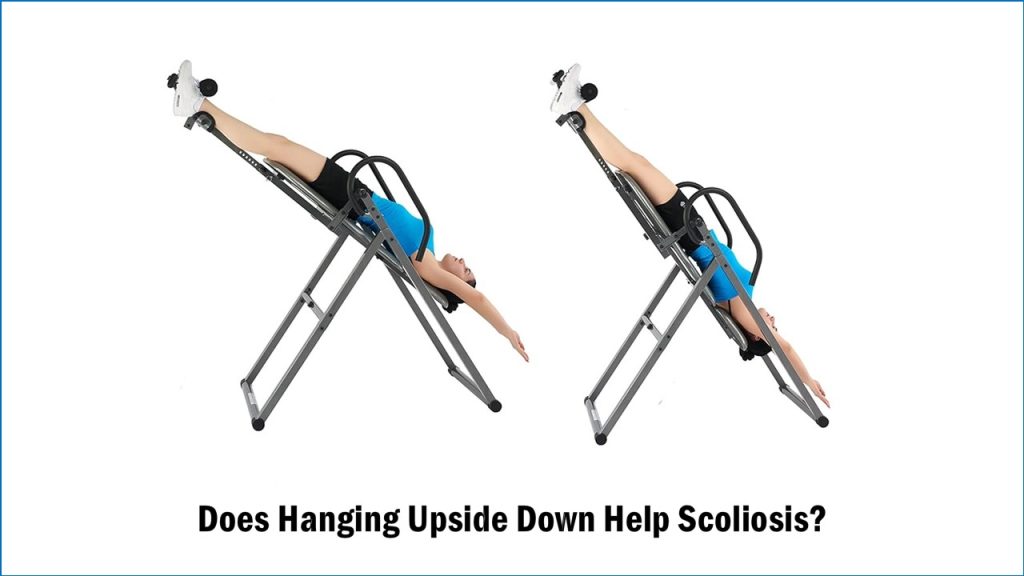
Scoliosis is a complex spinal condition affecting millions worldwide, often causing chronic discomfort, impaired mobility, and significant lifestyle limitations. Among the many unconventional therapies circulating online, hanging upside down—also known as inversion therapy—has gained attention as a possible method to relieve curvature-related symptoms. In this comprehensive guide, we explore whether inversion genuinely benefits scoliosis, its potential risks, and safer alternatives you should consider.
Understanding Scoliosis And Spinal Curvature Dynamics
Scoliosis refers to an abnormal lateral curvature of the spine that can develop during adolescence or result from degenerative changes later in life. This condition can range from mild to severe and often includes rotational deformities that contribute to pain, stiffness, and muscular imbalances.
The spine is supported by a network of muscles, ligaments, discs, and joints, all of which play a role in how scoliosis progresses. Traditional scoliosis treatments focus on strengthening weak muscles, lengthening tight structures, and correcting imbalances through targeted, medically supervised programs.
Because of these complexities, many people wonder whether inversion therapy, which temporarily decompresses the spine, can offer meaningful benefits.
What Is Inversion Therapy?
Inversion therapy involves suspending the body upside down or at a steep angle using an inversion table, yoga swing, or gravity boots. The concept is simple: gravity pulls the spine in the opposite direction, theoretically reducing compression on the discs and joints.
Supporters believe inversion can:
- Decrease spinal pressure
- Improve circulation
- Stretch spinal muscles
- Reduce nerve irritation
- Temporarily lengthen the spine
However, the effects vary widely depending on individual anatomy and the presence of structural spinal conditions like scoliosis.
Can Hanging Upside Down Help Scoliosis?
Temporary Relief — Not Correction
Inversion therapy may provide short-term relief for some people with scoliosis by:
- Reducing pressure on spinal discs
- Decreasing muscular tension
- Improving blood flow in surrounding tissues
These benefits can make the spine feel “looser” and temporarily reduce discomfort. However, inversion does not correct spinal curvature, nor does it halt scoliosis progression. The structural nature of scoliosis requires multifaceted treatment, not passive traction alone.
Why It Does Not Straighten the Spine
Scoliosis involves not just bending but also rotation and asymmetrical muscle development. Hanging upside down does not address:
- Spinal rotation
- Neuromuscular imbalances
- Asymmetrical loading
- Ligament tension differences
- Curve-specific functional patterns
This is why inversion may feel relieving but cannot realign a curved spine.
Potential Benefits Of Hanging Upside Down For Scoliosis
While inversion cannot cure scoliosis, it may offer symptomatic relief when used responsibly and under supervision.
-
Reduction in Back Pain
By lowering spinal compression, inversion can ease pain caused by disc pressure or nerve irritation, which sometimes accompanies scoliosis.
-
Muscle Relaxation
Inversion stretches muscles along the spine, which can reduce tightness in overworked muscles—a common issue in scoliosis.
-
Improved Mobility
Some users experience a temporary increase in flexibility and joint mobility after sessions.
-
Enhanced Circulation
Inversion encourages blood flow to the upper body, which may support tissue recovery and reduce fatigue.
Although helpful, these effects are short-lived and should not replace structured scoliosis management.
Risks And Side Effects Of Hanging Upside Down
Inversion therapy is not safe for everyone, and people with scoliosis must approach it with caution.
-
Increased Spinal Instability
Hanging upside down can place additional tension on already-compromised spinal segments, potentially worsening discomfort.
-
Increased Blood Pressure and Eye Pressure
The inverted position increases fluid pressure in the head, which is dangerous for individuals with:
- Hypertension
- Glaucoma
- Cardiovascular issues
- Retinal problems
-
Dizziness and Nausea
Sudden inversion can cause blood to rush to the head, leading to dizziness and imbalance—even after returning upright.
-
Risk of Curve Progression
Prolonged traction can overstretch muscles and ligaments, potentially reducing spinal stability and worsening curvature in growing adolescents.
-
Not Recommended for Severe Curves
People with severe or rapidly progressing scoliosis should avoid mechanical traction unless prescribed by a spine specialist.
Who Should Avoid Inversion Therapy?
Avoid inversion therapy if you have:
- Severe scoliosis (>40 degrees)
- Cardiovascular disease
- High blood pressure
- Glaucoma or retinal disorders
- Osteoporosis
- Inner ear or balance disorders
- Herniated discs with nerve compression
Always consult a specialist before adding inversion therapy to your routine.
How Often Should You Hang Upside Down?
If cleared by a doctor, most experts recommend:
- Start with 1–2 minutes at a mild angle (20–30°)
- Gradually increase to 5–10 minutes
- Never exceed 15 minutes per session
- Use no more than 3–4 times weekly
However, consistency in medically approved scoliosis exercises is far more beneficial than occasional inversion.
Effective Alternatives That Help Improve Scoliosis
While inversion offers limited benefits, the following approaches have significant evidence supporting their effectiveness.
-
Schroth Method
A specialized, curve-specific scoliosis therapy that improves:
- Muscle symmetry
- Breathing mechanics
- Postural awareness
- Spinal alignment
-
Physical Therapy and Core Strengthening
Targeted strengthening of the core, pelvis, and spinal stabilizers helps reduce spinal load asymmetry.
-
Chiropractic Care (Specialized)
Some chiropractors trained in scoliosis management offer non-manipulative methods to support spinal balance.
-
Yoga and Pilates
These can improve posture, flexibility, and body symmetry when adapted for scoliosis.
-
Bracing
For adolescents, medically prescribed bracing can slow or stop curve progression.
-
Surgical Options
In severe cases, surgery may be the most effective long-term solution for stability and pain reduction.
Is Hanging Upside Down Worth Trying For Scoliosis?
For most individuals, inversion therapy may offer temporary relief, but it is not a core treatment for scoliosis. It cannot:
- Straighten the spine
- Halt curve progression
- Fix muscle or ligament imbalances
However, when used cautiously, it can be a supplementary method for pain management in mild cases.
If you choose to try inversion therapy, always do so under the guidance of a spine specialist and as part of a broader, personalized scoliosis treatment plan.
Final Thoughts
Hanging upside down may provide momentary decompression and pain relief, but it is not a corrective therapy for scoliosis. The most effective strategy involves combining proven methods such as Schroth-based exercises, strengthening routines, and clinically guided therapy programs.
For long-term improvement, focus on treatments that address the root causes of spinal curvature—not temporary traction methods.
FAQs
Q: Can inversion therapy make scoliosis worse?
It can in some cases, especially if you have severe curvature or other spine issues. Always consult a doctor first.
Q: How long should I hang upside down for pain relief?
Most experts recommend starting with 1–2 minutes. Longer sessions can be risky.
Q: Is hanging from a bar safer than full inversion?
Yes, hanging from a pull-up bar can provide mild decompression without the risks of inversion.
Q: Can teenagers with scoliosis use inversion tables?
It’s not recommended without medical guidance, especially during growth spurts.
Q: What is the safest alternative for scoliosis pain?
The Schroth method, physical therapy, and gentle stretching are generally the safest, most effective options.